

Our Purpose
At Bristol Myers Squibb, we believe language should never be a barrier to care. Even the best medicine can’t help a patient who doesn’t understand it.
Health literacy challenges exist across the globe: Nearly nine in 10 U.S. adults struggle with health literacy; in Europe, one in two people experience low health literacy.*†
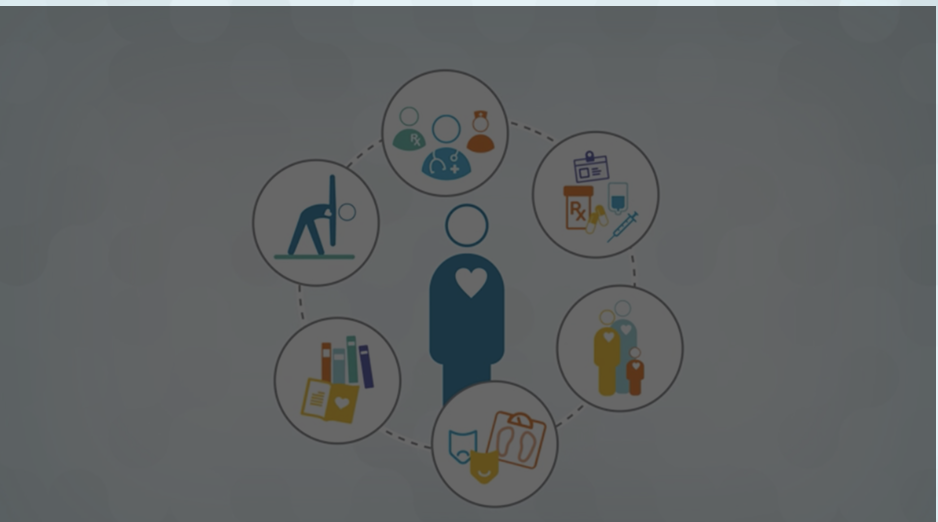
That’s why we created the Universal Patient Language (UPL) in collaboration with patients, caregivers, patient advocates, and healthcare providers. It is a patient-first approach to communication that turns complex science into clear, actionable information. Clear, trusted communication doesn’t just help patients understand scientific breakthroughs—it helps them understand and act on all their options, without a steep learning curve.
*U.S. Department of Health and Human Services, Office of Disease Prevention and Health Promotion. Health Literacy Online: A Guide to Writing and Designing Easy-to-Use Health Websites. Talking Points About Health Literacy | Health Literacy | CDC
†Sørensen K, Pelikan JM, Röthlin F, et al. Health literacy in Europe: comparative results of the European health literacy survey (HLS-EU). Eur J Public Health. 2015;25(6):1053-1058.
Who can use UPL?
UPL can be used by anyone creating, writing, revising, or updating communication that aims to reach a patient, caregiver, or the general public.
The Need for the UPL
Communications are crucial to the patient experience, but executing them clearly isn't always easy. At BMS, we set out to solve the challenge of global health literacy by rethinking our own communications.
Working with patients, caregivers, healthcare partners, and patient advocates, we shaped the development of the UPL by identifying key themes and guiding questions.

Design with Empathy
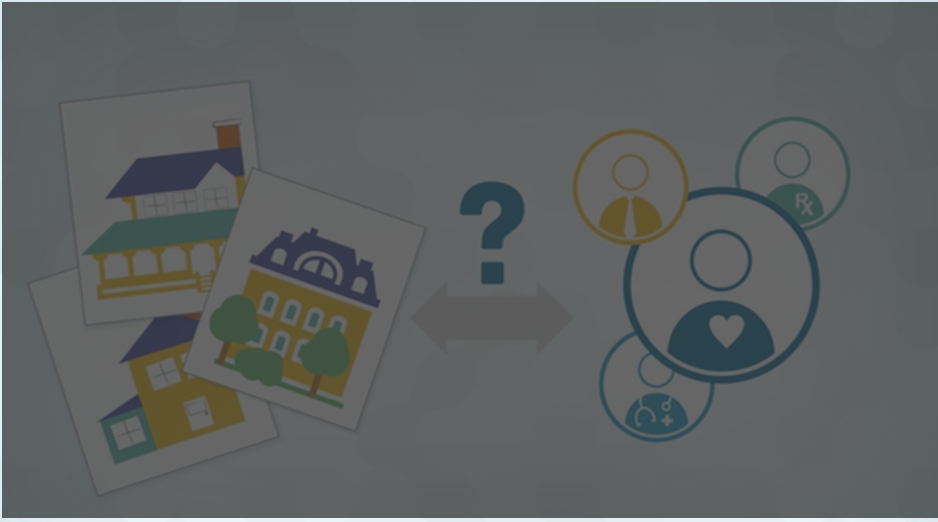
How do we establish empathy for the patient and acknowledge where they are in their healthcare experience?

Visuals with Purpose
What are the best practices for using icons, illustrations, and photography?

Clear, Compassionate Communication
How can we provide detailed information that helps patients understand through plain language without overwhelming them with scientific jargon?

Turning Data into Understanding
How do we best represent complex data in a patient-friendly way?
Our Process
Co-creating with the Community
We built the UPL program using a collaborative approach called Co-creation. Instead of just collecting feedback, we brought patients, caregivers, advocacy leaders, and healthcare professionals into the room to work side-by-side.
During our first session, we focused on building the framework of UPL, while the second session focused on the fine detail of the tools. After each session, we created prototypes that we continued to validate with each stakeholder group. This feedback helped us identify the elements that were working well, those that were not, and those that we missed.
CO-CREATION 1
UPL Definition
PROTOTYPE
ITERATION
UPL Definition
CO-CREATION 2
UPL Build-out
VALIDATION
with Stakeholders
Our Collaborators
30+
Expert Collaborators
150+
Patients & Caregivers
150+
Healthcare Providers
15+
Advocacy Organizations
Continuing Our Work
Following creation of the framework, we continue to work with patients, caregivers, and advocacy organizations to ensure our tools, resources, and strategy meet community needs.
UPL
Universal Patient
Language
APPLICATION
to Patient
Communications
How We Built the UPL
We took a collaborative, user-centered design approach. We focused primarily on the communication needs of patients and used Systems Thinking, Co-creation, and Prototyping to build the UPL.
Systems Thinking
Our goal is to collaborate with others across the healthcare continuum so that we can contribute meaningfully and drive change across the entire system. Healthcare is complex, with many interconnected systems and perspectives. Systems Thinking allows us to look holistically at those insights to better understand and impact the full patient experience.
Co-creation
Co-creation is how we built UPL, but it is also how we build communications. It moves beyond traditional feedback by driving true collaboration from the start. During Co-creation sessions, participants work together to identify gaps, develop ideas and solutions, and guide designers to create an output. These diverse perspectives help land on a common ground on needs and focus on what best serves patients.


Prototyping
Prototypes for patient communications are often simple sketches rather than polished designs, but they capture the key elements that matter most. Prototyping allows teams to see ideas take shape quickly, react to specific details, and refine them in real time. By creating and improving Prototypes through multiple rounds of feedback, we ensure that the final communication reflects diverse perspectives and meets users’ needs.