

Tool
UPL Rules
The UPL Rules provide detailed guidance on how each of the Principles can be applied in practice.
Below is a sample of rules pertaining to Communicate Visually:
- A label or words should always accompany icons.
Why? Using icons alone is not sufficient; while icons can help people navigate a communication, they are not effective for explaining complex ideas.
- Photographs and decorative graphics can be used to create an emotional connection with patients, but they are often not effective when communicating complexity or serving a specific purpose such as helping the patient understand something, helping them organize their thinking, helping them interpret the text, or highlighting important information.
- Use color to reinforce the connection between words and visuals.
Why? Visual explanations are easier for most patients to understand.
- When possible, use visual metaphors or analogies to help patients connect new medical knowledge to existing knowledge outside of healthcare.
Do In the above communication we used a garden analogy to explain how various cancer treatments differed from each other. From patient validation, we heard that it would help explain these concepts to family and friends.
If the body is like a garden, the patient and care team will decide on how to remove the weeds (cancer cells) while doing a lesser amount of damage to the good plants (healthy cells).
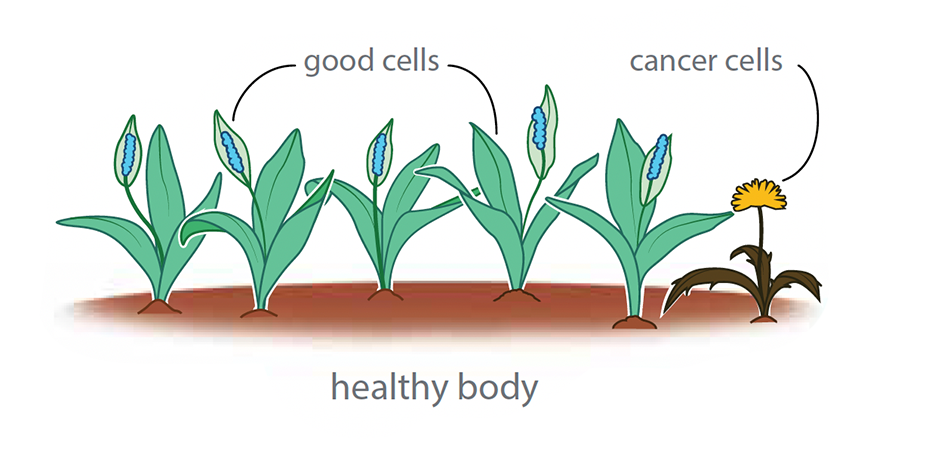
Chemotherapy is like spraying a general weed killer on the whole garden. This approach may not kill all the weeds and may also harm some good plants.

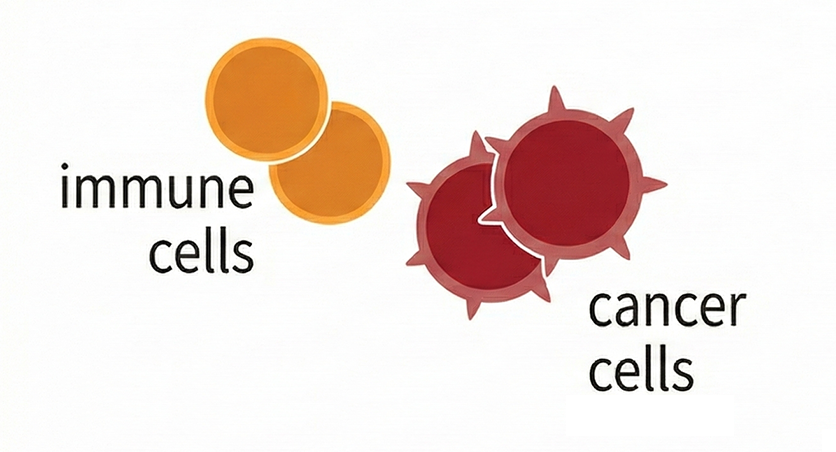
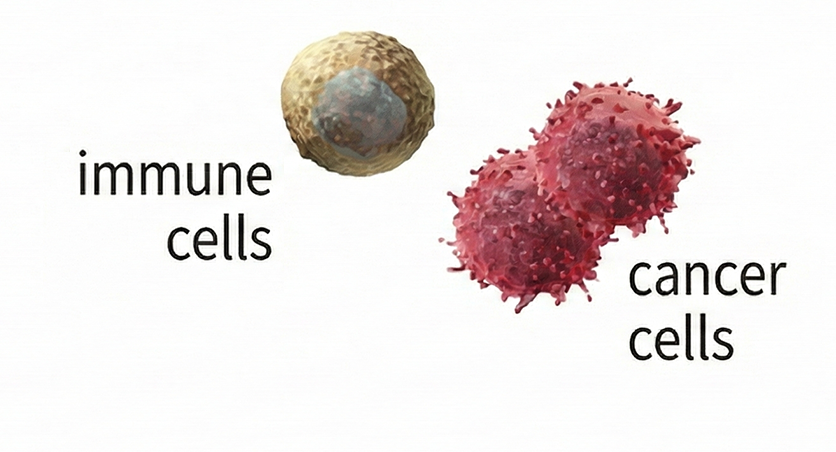
- Try to avoid a hyper-realistic visual style, which often distracts from the most important messages for patients.Do
A simpler visual style can enhance the communication by providing visual aids that keep the focus on processing the complex scientific or medical information.
 Don’t
Don’tA piece of communication can become overwhelming very quickly when complex scientific and medical information is accompanied by hyper-realistic visuals.
- In general, do not re-use the same visuals from communications aimed at doctors, since they will usually be more difficult for patients to understand.
(However, visuals from doctor communications will often be appropriate as a resource for patients who want to seek out more detailed, complex information.)
- Include visual conventions and internationally-recognized symbols to convey meaning.
e.g.,
 Red octagon = “stop”
 Triangle with exclamation mark = “warning”

